
Adaptive Reuse: Breathing New Life into Old Structures

One of the most effective strategies in sustainable design is adaptive reuse—repurposing existing buildings instead of demolishing and rebuilding. This approach preserves embodied carbon, reduces construction waste, and honors architectural heritage.
Our Carroll Gardens brownstone is a case in point. We transformed a historic structure into a high-performance home using these five techniques:
- Radiant heat flooring
- Triple-glazed windows
- A super-insulated shell
- A solar hot-water heater
- Salvaged and reclaimed materials
To reduce lighting loads, we cut generous spans of glass into the rear wall and rooftop. We even reimagined the obsolete fire escape, trimming off the ladders to create a series of private balconies.
Energy Conservation: Turning Infrastructure into Innovation
Our designs for a midtown high-rise demonstrate the scalable power of adaptive reuse. Given the glut of underused commercial buildings, we repurposed one as a Battery Energy Storage System (BESS)—a virtual power plant that addresses multiple needs: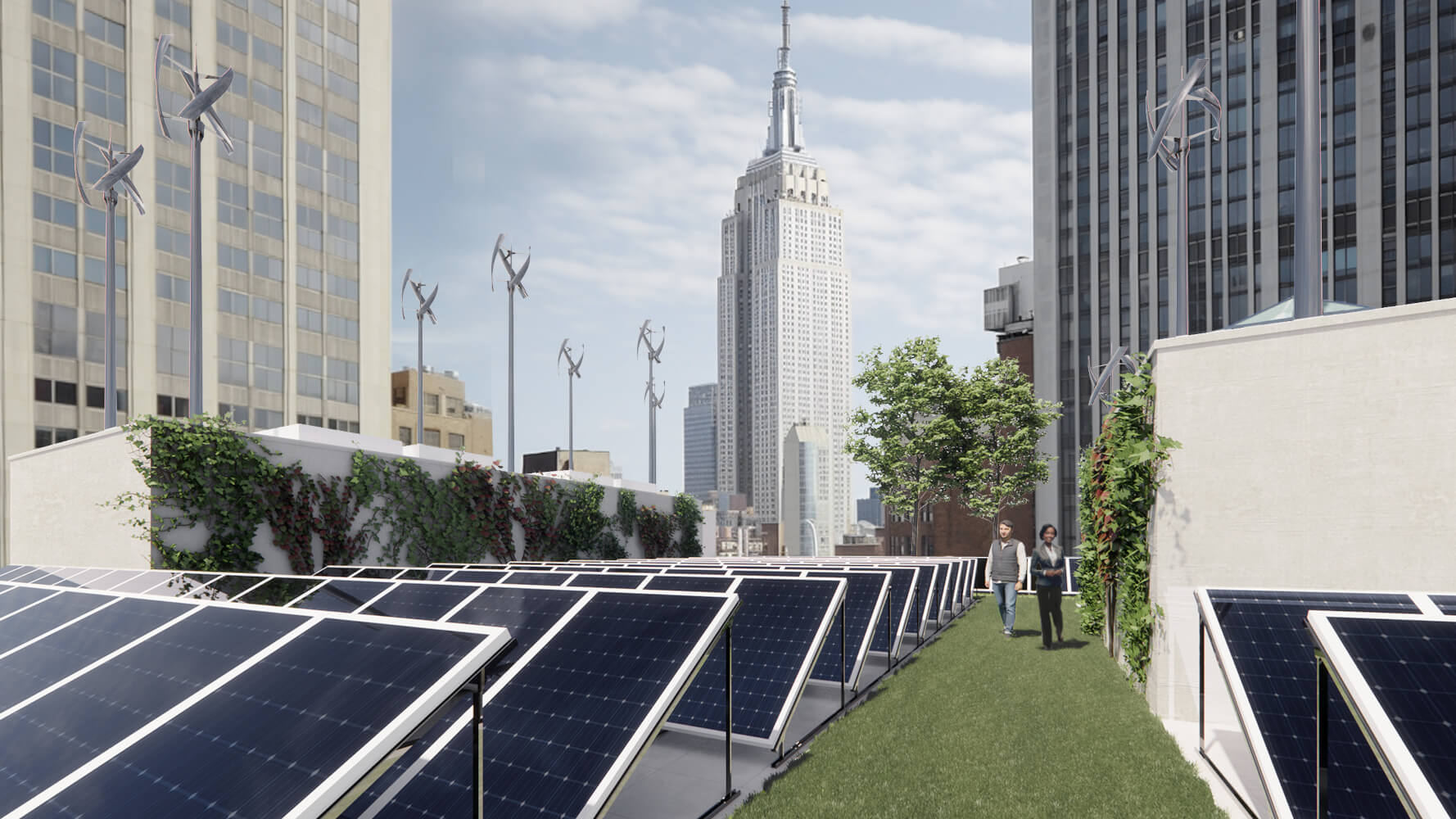
- Storing renewable energy
- Mitigating peak power usage and production
- Relieving strain on an overtaxed utility grid
The rooftop became an energy farm, complete with a green roof, wind turbines, and a solar panel array—turning underutilized space into a model of urban sustainability.
High-Performance Building Envelopes: Resilience Meets Efficiency
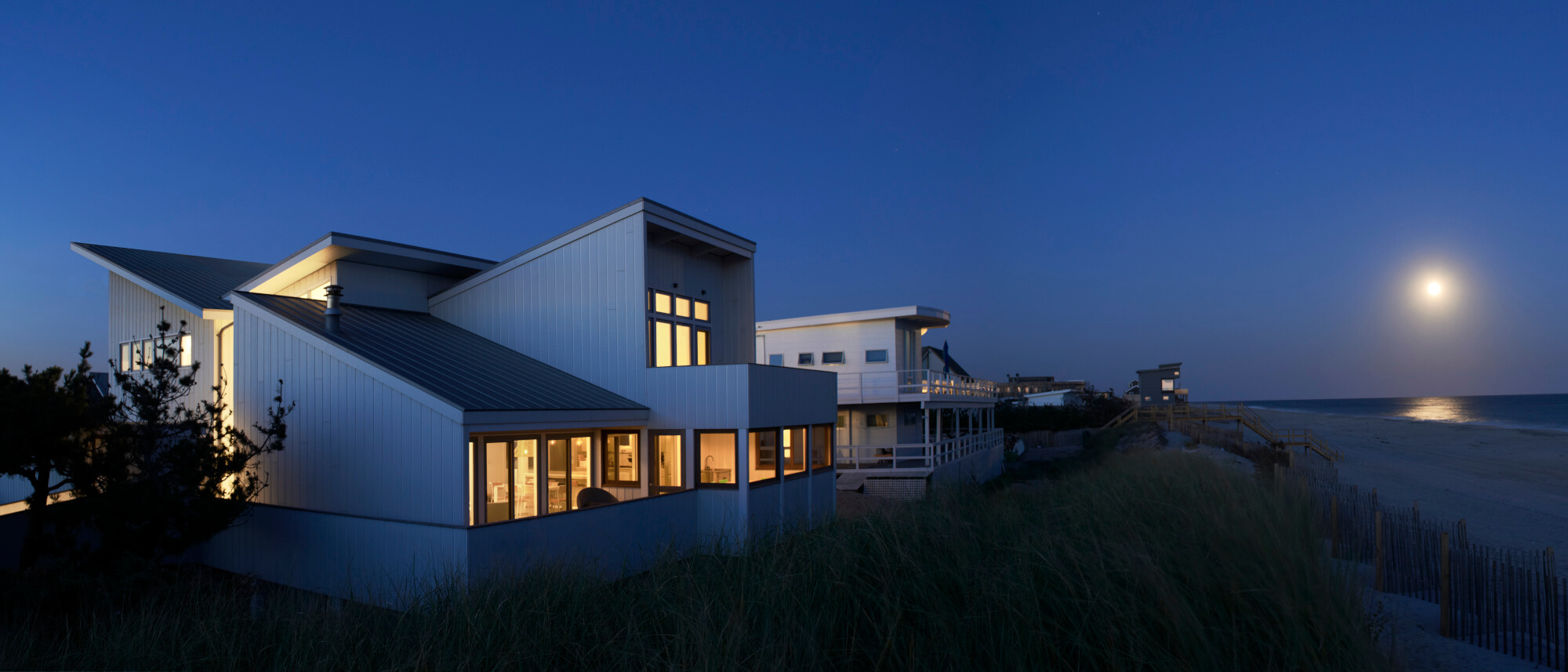
A building’s envelope is its first line of defense against energy loss. Our Fire Island house exemplifies how thoughtful envelope design can deliver both performance and resilience. Rebuilt to withstand hurricanes, the house now features these four upgrades:
- Elevated construction on tall wood pilings
- Vertical cement siding
- Rust-proof metal roofs
- Projectile-rated windows
These elements work together to reduce thermal bridging, maximize insulation, and ensure long-term durability in a challenging coastal environment.
ERV Systems: Healthier Air, Lower Energy Use
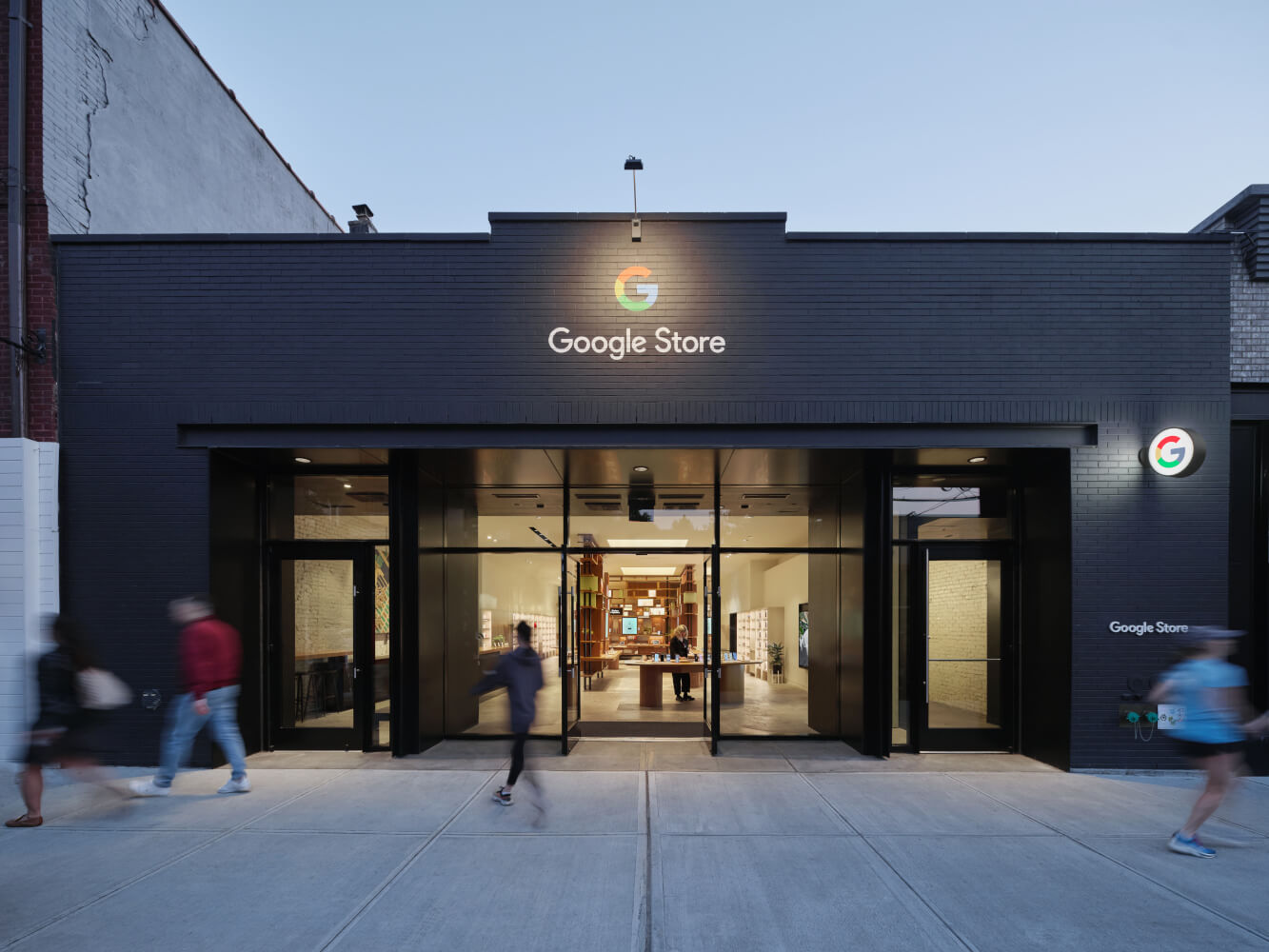
Energy Recovery Ventilation (ERV) systems are essential for maintaining indoor air quality while minimizing heating and cooling loads. We integrate ERVs into many of our projects, including the Google Store in Williamsburg, which earned a LEED Platinum rating.
ERVs continuously exchange stale indoor air with fresh outdoor air, recovering energy in the process. The result? A healthier, more efficient environment—whether it’s a home, an office, or a retail space.
Whole-House Fans: Sustainable Comfort on a Budget
Sustainability doesn’t have to be expensive. For clients with modest budgets, we often recommend whole-house fans—a simple, cost-effective way to reduce reliance on air conditioning.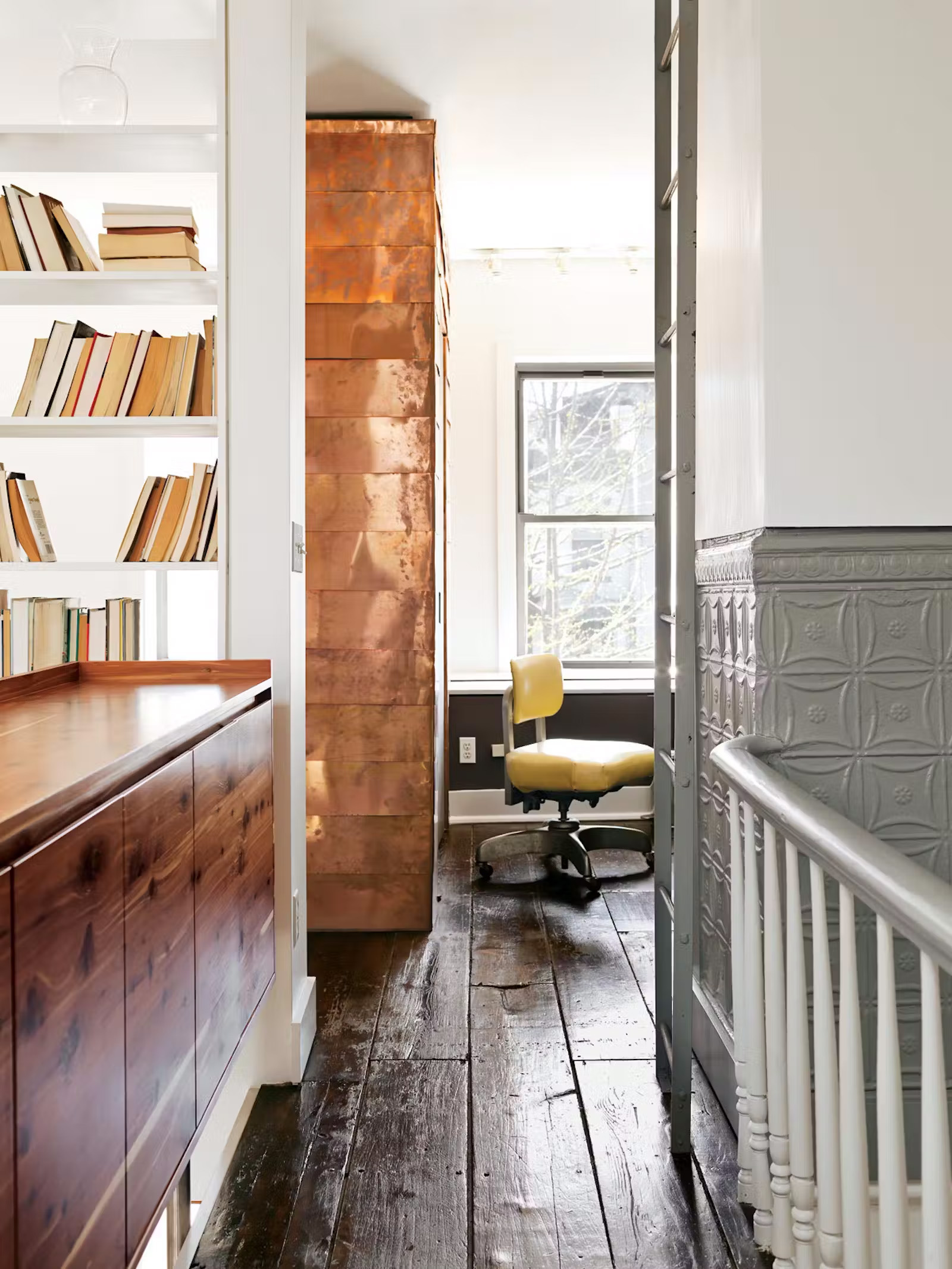
In our Crown Heights row house, a single whole-house fan dramatically improved indoor air circulation and comfort while slashing energy use. It’s a small change with a big impact.
Sustainability Is a Spectrum—We Meet You Where You Are
At Sherman Architects, we understand that every client has different goals and resources. That’s why we approach sustainability as a flexible framework, not a fixed checklist. Whether you’re building a net-zero home or simply looking to make smarter choices within your budget, we’re here to help you design a space that’s beautiful, functional, and future-ready.